UpcomingOnline
Enhanced Biological Phosphorus Removal
Preview / Registration15 Sept 2026 – 1 Oct 2026
Course1 Oct 2026 – 31 Oct 2026
In cooperation with
Inter-American Association of Sanitary and Environmental Engineering (AIDIS)
About the course
This state-of-the-art course presents various aspects of enhanced biological phosphorus removal (EBPR) such as fundamental principles, microbiology and mechanisms involved, factors affecting EBPR performances, process configurations, and models for EBPR. In addition, you will get familiar with EBPR design procedures and you will understand the influence of operational factors on full-scale EBPR plants and integration of EBPR and biological nitrogen removal. You will be able to expand and test your knowledge by using carefully prepared examples and exercises. The course also includes case studies and videos demonstrating experimental procedures involving mixed cultures of activated sludge and enriched cultures with Phosphate Accumulating Organisms (PAOs). By the end of the course you will be equipped with the latest knowledge and essential skills to help you carry on practical and academic tasks with increased confidence.
Course information
Name
Enhanced Biological Phosphorus Removal
Start date
1 Oct 2026
End date
31 Oct 2026
Preview course materials
15 Sept 2026 – 30 Sept 2026
Registration deadline
30 Sept 2026
Examination
30 Oct 2026
Certification
AIDIS-GSGS Certificate of Completion
Study mode
Part-time self-study
Delivery mode
Pre-recorded video lectures
Instructor's guidance
Not included
Duration of video lectures
6 hrs
Approximate study time
10 hrs per week, 40 hrs in total
Course language
Pre-recorded video lectures (English narration with Spanish, Portuguese or French captions). Presentations (English). Readers (English or Portuguese). Examination (English or Spanish).
Course credits
Not applicable
Course fee
Free, however a US$100 administration fee applies to the examination and certification.
After completion of the course you should be able to: understand the basic principles of EBPR, comprehend fundamentals of the microbiology of EBPR, get familiar with the biological mechanisms of EBPR, grasp principles of EBPR optimization and identify the most common EBPR system configurations, get familiar with the Mixed Culture Steady-state Model, perform the fundamental EBPR process design, and understand the influence of EBPR on the treatment system and factors affecting EBPR.
This course covers the following topics:
- Introduction to EBPR (week 1)
- Principles of EBPR (week 1)
- Microbiology of EBPR (week 1)
- Biological Mechanisms of EBPR (week 1)
- Principles of EBPR Optimisation and EBPR Configurations (week 1)
- Mixed Culture Steady-state Model (week 2)
- Design Procedure and Case Studies (week 2)
- Influence of EBPR on the System (week 3)
- Factors Affecting EBPR (week 3)
- Perspectives (week 3)
- Examples and exercises (week 4)
At least two weeks before the course starts, the course materials (pre-recorded video lectures, presentations, and readers) will be made available as open-access resources free of charge for preview. During this period, prospective participants can explore the course materials and decide whether to register for the course. The registration deadline is one day before the course starts.
Registration secures a participant's official place in the course, access to the examination, and, upon successful completion, a Certificate of Completion.
Payment of the course fee in full is a compulsory part of the registration process. The course fee covers administration, management, examination, and certification costs.
Participants who choose not to register will continue to have free access to the course materials until the end of the course, but will not have access to the examination and will not receive a Certificate of Completion.
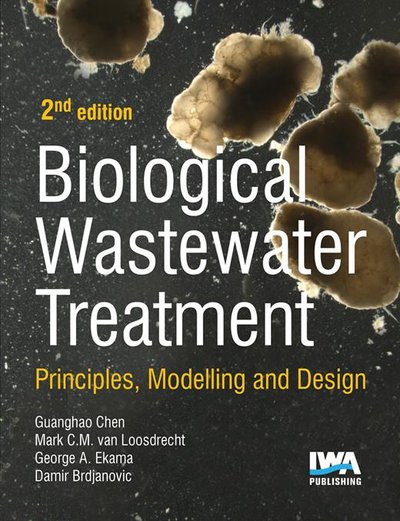
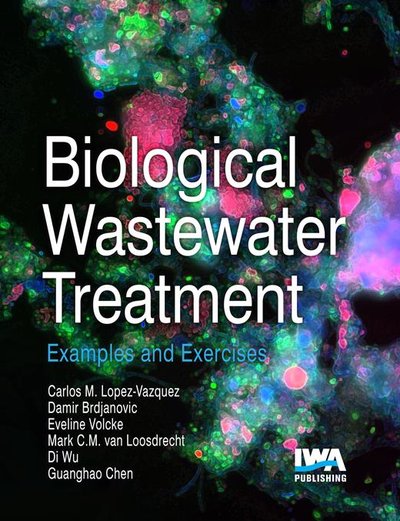
Please note that the course does not provide instructor guidance. Participants are advised to follow the prescribed weekly schedule by first reading the course textbook materials and then listening to and watching the pre-recorded audio-visual materials. Participants are also encouraged to study the examples provided.
The final week of the course is reserved for examination preparation using the exercises provided in the readers. More information about the examination is provided in the section below.
Registered participants will have access to the examination. The exam will be held on the last day of the course. Exam questions will be sent by the course administrator to participants via email at 8:00 AM (UTC-3). Participants must return their completed exam papers by email on the same day before 8:00 PM (UTC-3), providing a 12-hour window for completion.
The estimated time required to complete the exam is approximately one hour. The exam will be open-book.
Exams will be graded by the course administration staff, and the result will be recorded as either “Pass” or “Fail”. The results will be communicated to participants within one week of the exam date. Successful participants will receive an email with their personalized Certificate of Completion attached.
Unsuccessful participants will be given one opportunity for re-examination under the same conditions, one week after receiving the results of the first examination.
Note: The course fee is non-refundable, regardless of the outcome of the exam or whether a registered participant takes the examination.
Registration/payment deadline
Examination
Sneak preview · 2 weeks
Self-study · 3 weeks
Exam study week
Week -2
Week -1
Week 1
Week 2
Week 3
Week 4
Course start
Course end
Watch pre-recorded lectures
Videos will be available from 15 Sept.
Teachers

Yves Comeau
Adjunct Professor
Polytechnique Montréal

Adrian Oehman
Associate Professor
The University of Queensland

Carlos M. Lopez-Vazquez
Associate Professor
IHE Delft Institute for Water Education · NL
Course coordination
Register for Exam & Certificate
Register now to reserve your placeThe course is free. A US$100 administration fee applies to the examination and certification.